

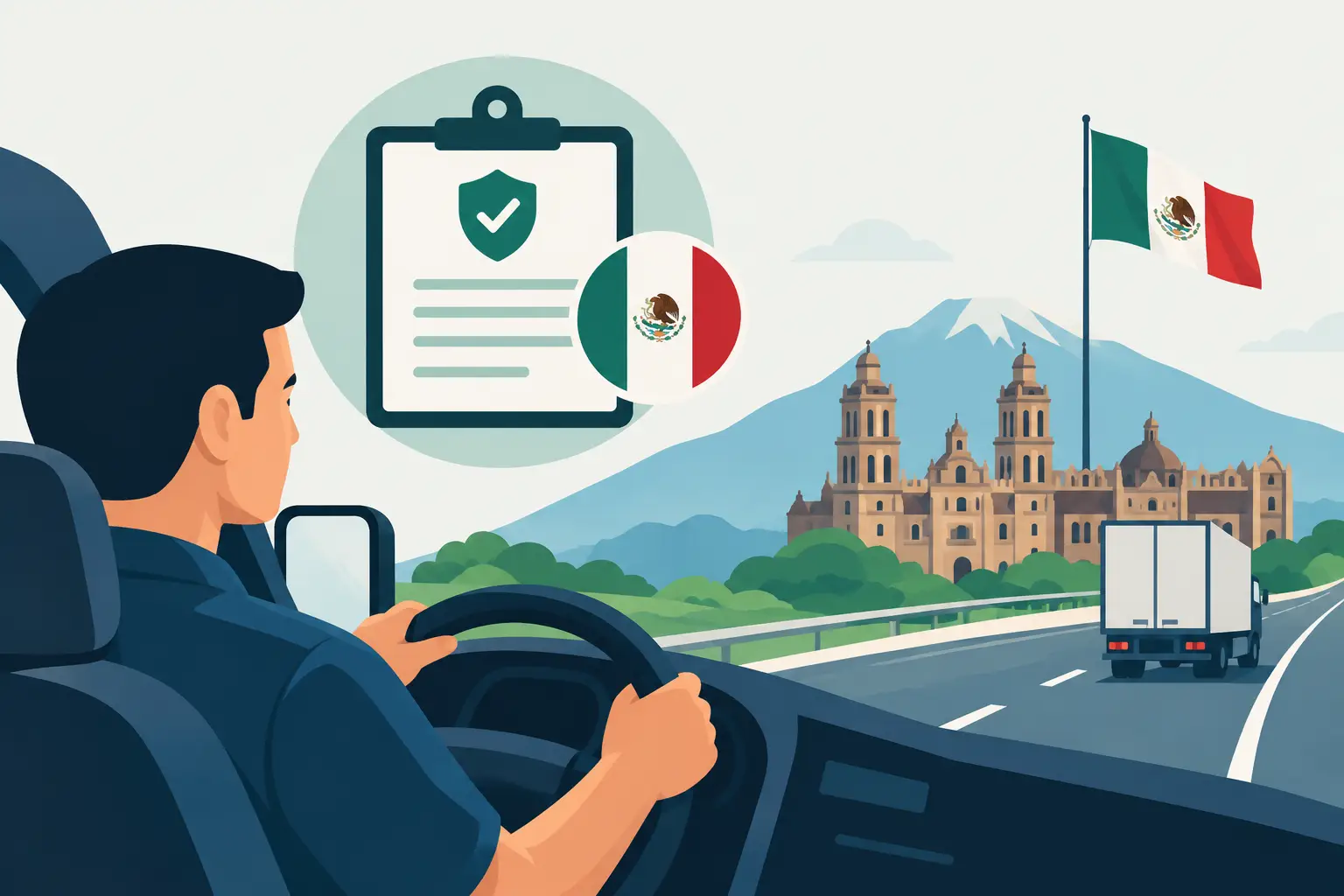
A roadside stop after an accident is a bad time to learn that your insurance card does not apply south of the border. Understanding Mexico policy terms before you leave gives you a clearer picture of what your policy covers, when it applies, and what help is available if something goes wrong.
For US drivers, the key issue is not simply having insurance. Mexico requires liability coverage from an insurer authorized to operate in Mexico. A US or Canadian auto policy may offer limited reimbursement in certain situations, but it generally does not satisfy Mexico’s legal requirement for local liability insurance. The terms of your Mexican policy determine the protection you can rely on during your trip.
Mexico Policy Terms Start With Policy Duration
Mexican tourist auto insurance is available for short visits and frequent travel alike. At Lewis and Lewis, travelers can generally select terms from one day through an annual policy. The right term depends on how often you cross, how long you will be away, and whether you want to arrange coverage before every trip.
A one-day or weekend policy can make sense for a quick border crossing. A policy for several days or weeks is often a better fit for a Baja vacation, family road trip, motorcycle tour, or RV stay. Annual coverage may be the practical choice for snowbirds, property owners, regular visitors, and anyone who crosses the border several times a year.
Check the effective date and time carefully. Coverage must be active before you enter Mexico, not after an accident or traffic stop. If your return date changes, review whether your existing term still covers the entire trip. Extending a trip without extending insurance can leave a costly gap.
Short-term versus annual coverage
Short-term coverage lets occasional travelers pay for the period they expect to use. It is straightforward, but repeated purchases can become inconvenient if Mexico is part of your regular routine. An annual policy reduces that administrative work and can offer better overall value for frequent crossings.
The trade-off is simple: annual coverage is worthwhile only when you will use it enough. A traveler making one three-day trip may not need a full year of protection. Someone who drives to Mexico monthly, keeps a vehicle at a Mexican home, or visits several times each season should compare annual pricing and benefits before buying separate policies.
Liability Limits Are More Than a Number
Liability coverage pays for bodily injury and property damage you cause to others. It is the coverage Mexican authorities expect you to carry, and it can be the most important protection on the policy after a serious accident.
When comparing Mexico policy terms, look beyond the fact that liability is included. Ask how much coverage is available and whether the limit is combined for bodily injury and property damage. A higher combined single limit can provide more room to respond when an accident involves multiple people, significant injuries, or expensive vehicles.
Lewis and Lewis offers policies with up to $500,000 in combined single-limit liability. That amount may be far more meaningful than a low-limit policy that meets only a minimum requirement. The right choice depends on your assets, your vehicle, where you will travel, and your comfort with risk. Families in an SUV, motorhome owners, and drivers traveling long distances often have good reason to consider stronger limits.
Do not assume an umbrella policy from the US will fill a gap in Mexico. Coverage varies by carrier and policy wording. Review your own US policy separately, but buy Mexican liability based on the protection you need in Mexico.
Legal Defense Is a Core Mexico Auto Insurance Term
After a collision in Mexico, the response can involve local police, an adjuster, and legal authorities. Liability protection alone does not describe the entire claims experience. Legal defense coverage is a separate policy feature worth reviewing before you travel.
A quality Mexican auto policy may provide legal assistance, attorney fees, and support with the legal process following a covered accident. Some policies also include bail bond support, subject to their specific conditions and limits. These benefits matter because an accident that causes injury or substantial damage can create legal obligations that are unfamiliar to US drivers.
Read the legal-defense limit rather than treating the feature as a vague promise. Lewis and Lewis policies can provide up to $100,000 in legal defense coverage. The exact protection available depends on the policy selected and the circumstances of the claim.
Your responsibilities still matter. Report an accident promptly, cooperate with the insurer and authorities, and do not make private arrangements or leave the scene before receiving appropriate direction. Carry your policy documents, insurer contact information, driver license, registration, and any required travel documents in the vehicle.
Physical Damage Coverage, Value, and Deductibles
Liability covers damage you cause to others. Physical damage coverage addresses damage to your own vehicle from a covered collision, theft, vandalism, fire, or other listed loss. It is usually optional, but many travelers would find it difficult to replace a vehicle, tow vehicle, motorcycle, or motorhome out of pocket.
The insured value you select is central to this decision. It should reflect a realistic current value for the vehicle, including permanently attached equipment where the policy allows it. Underinsuring to lower the premium may create a painful surprise after a total loss. Insuring a vehicle for more than its actual value does not necessarily mean you will receive the higher amount.
Deductibles are your share of a covered physical damage claim. They may be expressed as a percentage of insured value rather than a flat dollar amount. For example, a percentage deductible on a high-value motorhome can be substantial. Review the collision deductible and theft deductible separately because they may not be the same.
Equipment also deserves attention. Roof racks, recovery gear, trailer contents, custom conversions, and personal belongings are not automatically covered just because they are in or on the vehicle. Ask how your policy treats accessories, trailers, and contents before assuming they are protected.
Repairs in Mexico or the United States
A claims plan should fit the way you travel. Some drivers prefer repairs in Mexico, particularly when damage is minor and they are staying in the area. Others need the ability to return home and repair their vehicle in the US or Canada.
US repair options can be especially valuable for travelers who drive newer vehicles, own specialized RVs, or need access to a trusted repair shop. Lewis and Lewis offers US repair access without an hourly labor-rate limit, subject to policy terms and claim approval. That feature can make a practical difference when labor rates near home are higher than rates used by a basic cross-border policy.
Still, repair choice is not automatic in every claim. The vehicle’s condition, the severity of damage, safety concerns, adjuster authorization, and policy wording can all affect where and how repairs are handled. Contact the claims team as soon as possible instead of authorizing major work on your own.
Optional Protections Worth Reviewing
The best Mexico policy is not always the cheapest quote. Consider how you travel and what could leave you stranded. Roadside assistance may help with towing or mechanical trouble, while medical payments and medical evacuation coverage address a very different risk: injury far from your usual doctors and support network.
Medical evacuation can be particularly relevant for RV travelers, riders, families traveling with children, and visitors heading into remote regions. It is not a substitute for comprehensive health insurance, but it can help arrange transportation to appropriate care when a covered medical emergency requires it.
If you tow a trailer, ride a motorcycle, drive a street-legal ATV, or operate a bus conversion, verify that the vehicle type is specifically eligible. Mexican insurance is not one-size-fits-all. A policy designed for a passenger car may not provide the same protection for an overland build, motorhome, or specialty vehicle.
Questions to Ask Before You Cross
Before purchasing, make sure the quote identifies the correct vehicle, insured value, travel dates, destination, and driver information. Then confirm the liability limit, legal-defense limit, physical damage deductible, and whether roadside assistance, medical evacuation, or US repair options are included.
It also helps to ask what to do after an accident and where to call for claims support. Save the claims number in your phone and keep a printed copy in the glove box. Cell service, battery power, and internet access are not guaranteed when you need them most.
A Mexican auto policy should give you more than permission to cross the border. It should give you a clear plan for protecting other people, your vehicle, and your family if the unexpected happens. Before your next trip, take a few minutes to compare the terms behind the price and choose coverage you can feel confident carrying into Mexico.