

A traffic accident south of the border can become more than a vehicle repair issue. In Mexico, drivers may need to remain at the scene while authorities determine what happened, and serious accidents can involve a legal process. Understanding how Mexico legal assistance works before your trip helps you choose insurance that does more than satisfy the local liability requirement.
For US drivers, the practical point is simple: Mexican auto insurance should include meaningful legal-defense coverage, access to claims assistance, and liability limits appropriate for the places you drive. A low-price policy may meet a minimum requirement, but it may leave major gaps when you need help most.
Why Legal Assistance Matters in Mexico
Mexico does not recognize a US or Canadian auto policy as proof of financial responsibility for driving in Mexico. You need a policy issued by a Mexican insurer or an authorized provider of Mexican coverage. That policy is not only for damage to vehicles or property. It can also provide support if an accident causes injuries, a disagreement about fault, or a legal allegation.
Mexican law and accident procedures differ by state and municipality. Police, transit authorities, and public prosecutors may become involved, particularly when there are injuries, substantial damage, or questions about responsibility. Depending on the circumstances, you may be asked to give a statement, have your vehicle held temporarily, or remain available while authorities complete their review.
That does not mean every fender bender becomes a criminal case. Many minor accidents are resolved through the insurer, adjusters, and the parties involved. But the possibility of legal involvement is exactly why legal assistance is a core part of a quality Mexican auto insurance policy.
How Mexico Legal Assistance Works With Auto Insurance
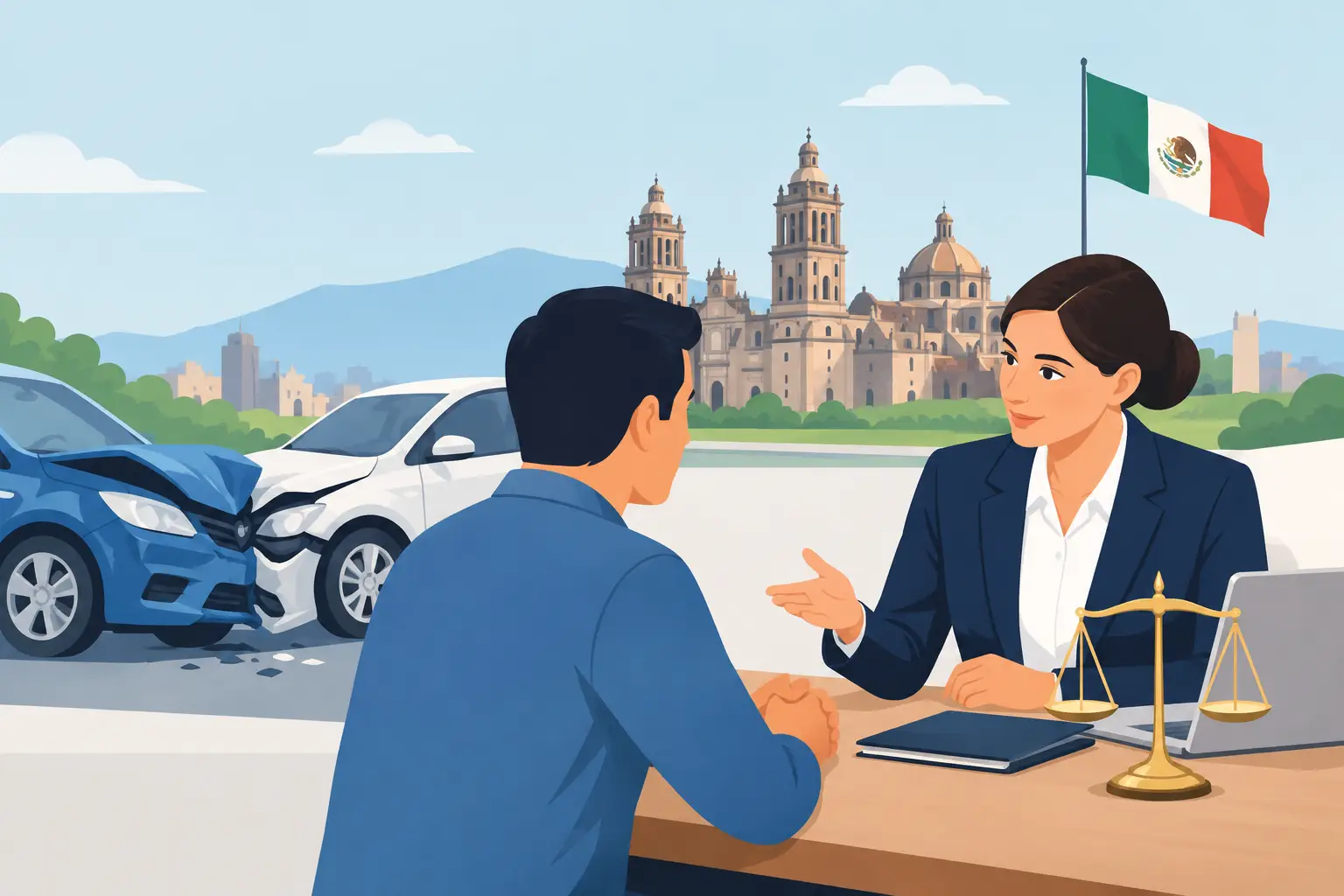
Legal assistance is generally a coverage within your Mexican auto policy, not a separate promise that every legal expense or outcome will be covered. When a covered accident occurs, the insurer typically dispatches or coordinates with an adjuster. The adjuster helps document the loss, works with authorities and other parties, and reports the claim to the insurer.
If legal defense is needed because of the covered accident, the policy may provide an attorney or pay covered legal-defense expenses up to the policy limit. This can include assistance with accident-related legal proceedings and, where the policy provides it, help with a required bail bond or release bond.
The exact protection depends on the policy terms, the cause of the accident, the severity of injuries or property damage, and whether you complied with the policy conditions. Legal-defense coverage is not a substitute for driving carefully, following local law, or cooperating with authorities. It is financial protection and professional support when an insured accident creates a legal problem.
For example, a policy with up to $100,000 in legal-defense coverage can offer far more practical protection than a policy with a minimal legal allowance. Review the limit before purchasing, especially if you regularly drive in unfamiliar areas, tow a trailer, ride a motorcycle, or travel with family members.
What an Adjuster Does at the Scene
An adjuster is often the most important first call after emergency services. Their role is to inspect the accident, gather information, help coordinate the claim, and communicate with local officials or involved parties as appropriate. They are not your personal attorney, but they are part of the insurer’s on-the-ground claims process.
The adjuster’s report may be central to resolving property damage and determining how the insurance policy responds. This is one reason drivers should call the Mexican insurer’s claims number promptly rather than trying to settle a significant accident informally.
When a Lawyer May Be Involved
A lawyer may be assigned or made available when an accident leads to a legal proceeding, a demand from authorities, or a need for formal defense under the policy. The insurer’s duty and the amount it will pay are controlled by the legal-defense section of your contract.
Legal assistance normally applies to an accident covered by the policy. It may not apply to intentional acts, criminal conduct unrelated to the accident, driving while impaired, unauthorized use of the vehicle, or other exclusions stated in the policy. Read these provisions before you travel, not while standing roadside after a collision.
What to Do After an Accident in Mexico
Your first responsibility is safety. If anyone is injured, call emergency services immediately and do not move an injured person unless there is an immediate danger. Move to a safer location only when appropriate and when authorities permit it.
Then call your Mexican insurance company’s claims number. Keep the policy documents, claims phone number, vehicle registration, driver’s license, and travel documents easy to reach. A printed policy can be helpful in areas with limited cellular service, although you should also keep a digital copy.
At the scene, stay calm and cooperate with police and the adjuster. Provide factual information, but do not sign documents you do not understand or agree to pay cash for a serious claim before speaking with your insurer. Do not leave the scene until the authorities or adjuster say you may do so. Leaving can create a far more difficult situation, especially if someone alleges an injury.
If it is safe, take photos of vehicle positions, damage, license plates, road conditions, and relevant signs. Get the names and contact information of other drivers and witnesses. These details can help the adjuster and legal-defense team understand what occurred.
Coverage Limits Make a Real Difference
Legal assistance is only one piece of your protection. Liability coverage pays for bodily injury or property damage you are legally responsible for causing to others, subject to the policy’s terms and limit. Legal-defense coverage helps address the legal process connected to a covered accident. They work together, but they are not the same coverage.
A driver with only the lowest available liability limit may find that a serious injury or multi-vehicle accident exceeds the policy’s protection. Choosing higher limits can be a practical decision for travelers driving newer vehicles, RVs, trucks, or heavily traveled routes.
Lewis and Lewis offers Mexican tourist auto insurance underwritten by Qualitas, Mexico’s largest vehicle insurer, with liability limits up to $500,000 combined single limit and legal-defense coverage up to $100,000. Coverage availability, deductibles, and terms vary by vehicle type and policy selection, so confirm the details on your quote before buying.
Physical Damage and Legal Assistance Are Different
Collision, theft, and physical damage coverage address your own insured vehicle, subject to deductibles and policy conditions. Legal assistance addresses the legal consequences of a covered accident. One does not replace the other.
This distinction matters for drivers bringing a financed vehicle, an RV, a motorcycle, or a vehicle they cannot easily replace. A policy that includes solid liability and legal defense but no physical damage protection may be appropriate for some older vehicles. For others, the savings may not justify the risk.
Before You Cross the Border
Confirm that your policy dates cover the full trip, including possible delays. Make sure the vehicle description, VIN, and insured value are accurate. If you are towing, riding a motorcycle, driving a motorhome, or using a street-legal ATV, verify that the specific vehicle and use are eligible for coverage.
You should also understand who is allowed to drive. Some Mexican policies cover permitted drivers, while others have conditions that affect coverage. Bring your current registration and, if you do not own the vehicle, any authorization documents that may be required. Financed and leased vehicles can involve additional permission requirements.
Finally, save the claims number in your phone and keep it with your insurance documents. The best time to find a claims procedure is before you need it.
A well-chosen Mexican auto policy cannot prevent an accident, but it can give you a clear next step when a routine drive becomes a legal and financial concern. Before your next crossing, compare legal-defense limits alongside liability coverage, then travel with the confidence that you know who to call and what to do.